![blood cells and viruses (Newscom TagID: ipurestockx098796) [Photo via Newscom]](../../../../wp-content/uploads/2016/02/cancer-vs-alzheimer-1080x810-300x225.jpg)
CANCER BASIC,Cancer is not just a devastating.There are many persuasion of cancer.Cancer can dawn from bronchi,the chest,the colon or alike in the human cell cancer are likes in some ways but they are different from grow and spread..!!!
How are Cancer likes?
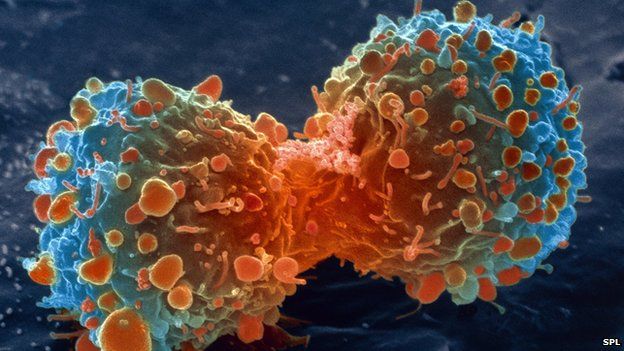
The corpuscle in our body all have convinced job to do.Traditional corpuscle divide in a precise way.They die when they are worn out or impaired and new cells take their place.The cancer cells keep on growing and making new cells.They congregation out normal cells.This motivation problems in the part of the body.Where the cancer started!!
What stage in cancer?
Stage 1(localise Cancer)
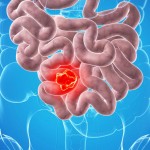
the cancer cells gain the ability to pass through the ‘basement membrane’, that is the thin, fibrous boundary to the tissue in which the cancer began, and to invade neighbouring tissue. This invasion is a serious step, because it indicates that the growing cancer cells may threaten life.
While the cancer remains a single lump, partly in the tissue where it began and partly in a neighbouring tissue, it is said to be in the localize stage.
Stage 2 & 3:(regional spread)
Once a cancer cell has invaded, a common next step is for one of its daughter cells to invade through a lymph vessel (a vessel like a blood vessel that carries the clear fluid called lymph, which is all the time exuding into tissue from our blood capillaries (the smallest blood vessels), back to the blood stream).
On the way to the blood stream, the cancer cell can get caught in a lymph node, one of the powerhouses of the body’s immune system. There it might provoke an immune response against it, which can go on to destroy it and the other cancer cells.
Stage 4:(distant spread)
The next step can be quite varied. Cells from the lump in the lymph node may spread further through lymph vessels to more distant lymph nodes or on into the blood stream. Or cells from the original lump may invade a capillary and enter the blood stream that way.
What treatment is best for cancer?
Your cancer treatment will depend on what’s best for you. Some cancers respond better to surgery; others respond better to chemo or radiation. Knowing the type of cancer you have is the first step toward knowing which treatments will work best for you.
The stage of your cancer will also help the doctor decide on the best treatment for you. A stage 3 or 4 cancer is likely to respond better to treatments that treat the whole body, like chemo.
Your health and the treatment you prefer will also play a part in deciding about cancer treatment. Not all types of treatment will work for your cancer, so ask what options you have. And treatments do have side effects, so ask about what to expect with each treatment.